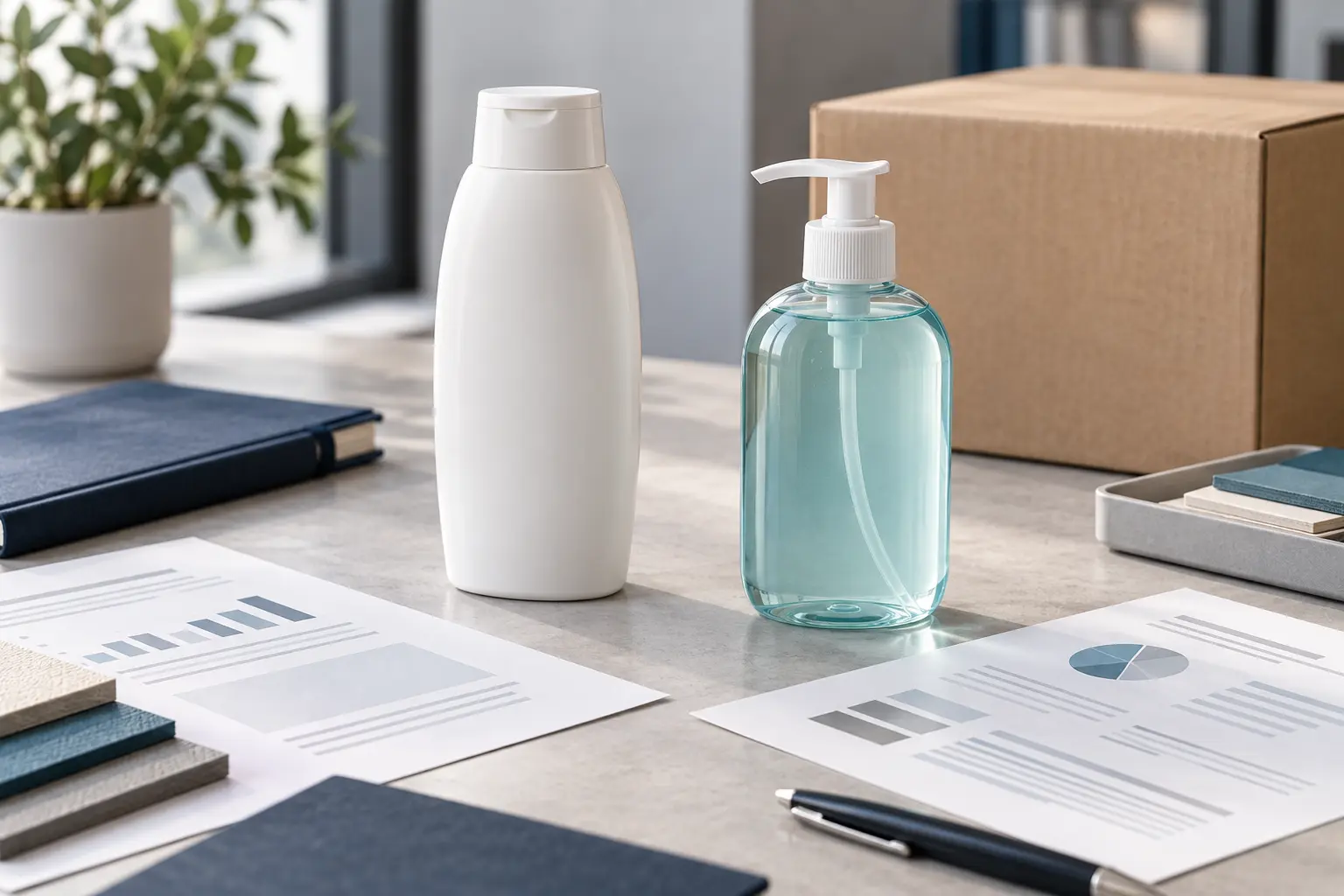
A shampoo and a cosmetic liquid hand wash can look like simple packaged goods, but an EU importer is comparing more than fragrance, bottle size and price. Product classification, the EU responsible person, safety assessment, product information file, notification, label language and supporting evidence must refer to the same finished SKU. This guide assumes a rinse-off cosmetic whose intended primary function is cleaning hair or skin. Products presented with biocidal, medicinal or other functions may fall under different rules and need a separate classification review.
Confirm product status before requesting prices
Write the intended use and every proposed claim before contacting suppliers. Record whether the item is shampoo, body wash or cosmetic liquid hand wash; who will use it; whether it is rinse-off; and where it will be sold. Avoid treating “antibacterial”, “disinfecting”, therapeutic or disease-related wording as ordinary cosmetic copy. The European Commission explains that borderline classification is assessed case by case. Confirm the route before artwork, testing and notification work begins.
Create one brief per formula, fragrance, colour and pack combination. State the destination countries, retail or professional channel, target fill volume, bottle and closure, and the claims you actually intend to make. Our personal care buyer page is a category starting point, not proof that a specific article is available or compliant.
Assign the EU responsible person and file owner
For cosmetics placed on the EU market, identify the responsible person in the EU and document who performs each compliance step. The European Commission's cosmetics legislation overview links the current framework, while Regulation (EC) No 1223/2009 sets the legal duties. For an imported cosmetic, do not assume the Turkish manufacturer automatically fills the EU role. Obtain written confirmation of the responsible person, the address used on the label and the party that keeps the product information file accessible to authorities.
Before placing the product on the market, the responsible person must ensure that a safety assessment is performed and that a cosmetic product safety report is prepared. The product information file also connects the product description, manufacturing method and good-manufacturing-practice statement, evidence for claimed effects and other required information. Agree who supplies each input, who reviews changes and how long records remain accessible.
Lock the formula and supporting evidence
Request a dated formula and specification with an internal product code, ingredient names, relevant concentration ranges, physical and microbiological criteria, storage conditions, intended shelf life and pack compatibility information. Use the Commission's CosIng database to research ingredient names and regulatory references, but note the Commission's warning that appearance in CosIng does not by itself mean an ingredient is approved for cosmetic use. The legally binding regulation and its current annexes remain the controlling source.
Link every marketing statement to evidence held for the finished product. Commission Regulation (EU) No 655/2013 requires cosmetic claims to meet common criteria and to be consistent with supporting documentation. Ask whether the proposed wording is supported for this formula, use conditions and target group. If the supplier changes fragrance, preservative, colour, bottle or pump, require a documented change review before using the old safety, compatibility or claim evidence.
Build one destination-ready pack and label brief
Give suppliers a controlled artwork brief instead of asking for a “standard EU label”. Article 19 of the EU Cosmetics Regulation sets label particulars, including responsible-person details, nominal content, durability or period-after-opening information where applicable, precautions, batch reference, product function and the ingredient list. The required language for several particulars depends on the Member State where the product is made available to the end user. Confirm the destination-language rule before print approval.
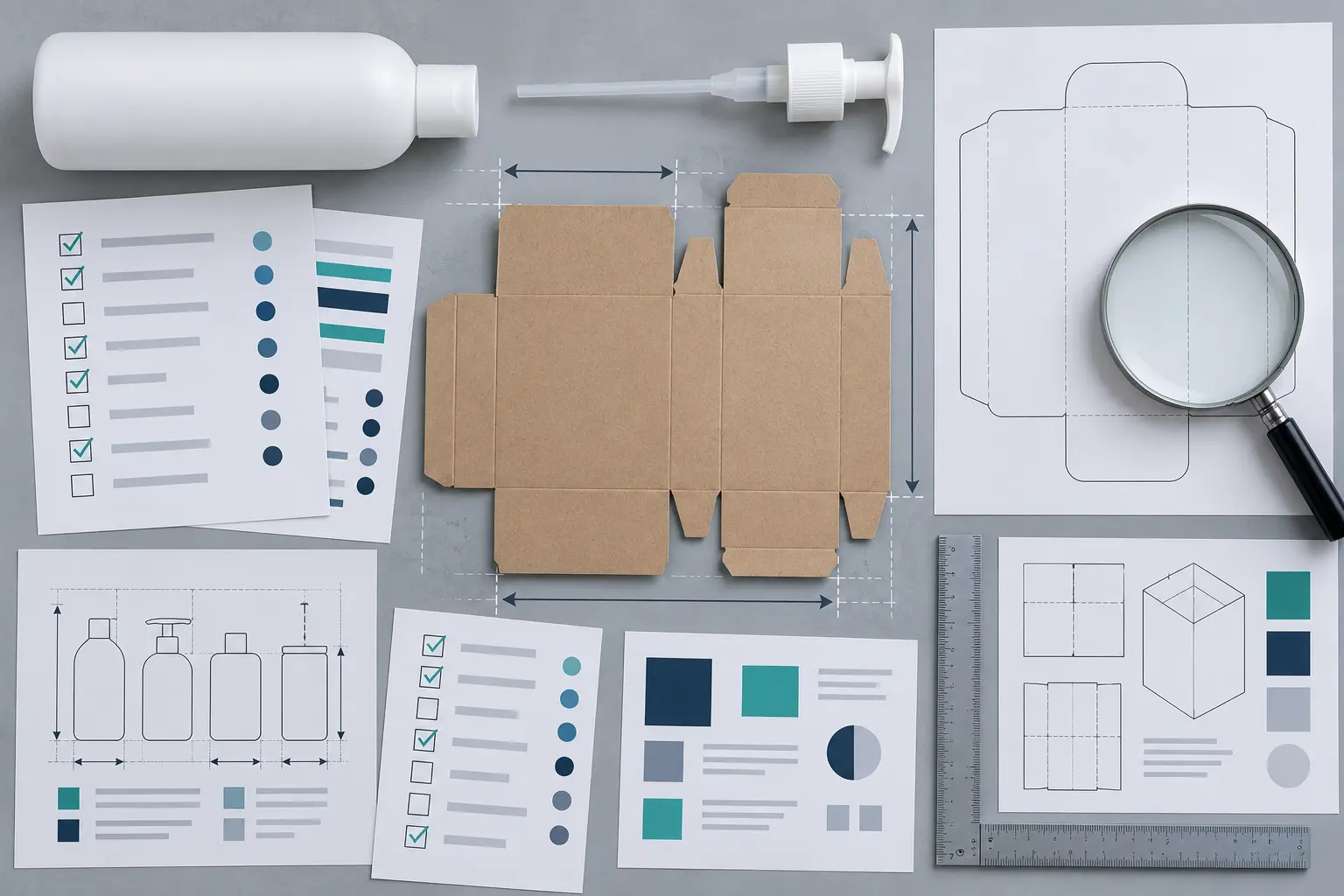
Reconcile the artwork with the locked formula, safety report and pack. Check INCI ingredient names, warnings, claims, fill volume, batch-code position and the address where the file is accessible. Record the bottle resin or material, colour, pump output, tamper features, units per carton, carton dimensions, pallet pattern and transport tests relevant to the route. For private label, assign ownership of the formula, brand files, translations, dieline and print proof using a clear approval matrix; our private label process shows the decisions that should have named owners.
Compare offers on the same commercial basis
Send the same SKU table to every candidate. Ask for the quoted formula code, pack components, units per carton, minimum order for that exact configuration, sample route, production lead time, quotation validity, remaining shelf life at dispatch and the documents available for the responsible person's review.
Request the delivery term with a named place and version of the rules; the ICC Incoterms® resource explains why the named place matters. Compare cost per identical net content and case configuration, then model freight, customs, responsible-person services, safety work, notification, artwork and local-market checks separately. Our comparable export quote guide provides a reusable inquiry structure.
Use a release gate before ordering
Before approving production, confirm: product classification; EU responsible person; final formula and specification; safety assessment and report; product information file inputs; good-manufacturing-practice evidence; finished-product claim support; CPNP notification responsibility; destination-language label; approved bottle, pump, carton and pallet data; sample reference; change-control process; and named delivery place. The Commission describes the CPNP notification system, but a notification is not a substitute for the safety file or the responsible person's duties. Release the order only when the commercial quote and compliance file identify the same finished SKU.